
Rose Identification: How to Recognize a Rose
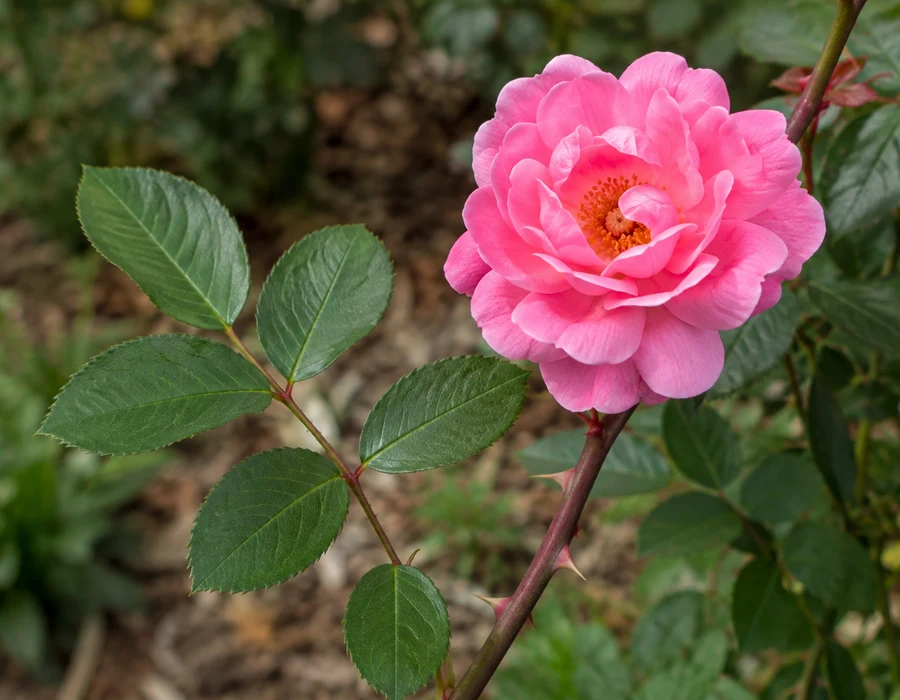
Most photographs can support a garden rose (genus Rosa) at the genus level, but not a named garden cultivar. A rose is usually an erect or climbing shrub with serrated pinnate leaves, prickles on its stems, and flowers that may be single, layered, solitary, or clustered. Those structures matter more than bloom color when comparing a rose with a peony or another rose-like flower. Bloom timing varies by species and cultivar. ASPCA lists Rosa species as non-toxic to cats and dogs, while a photo still cannot answer ingestion or treatment questions.
Key takeaways
- Roses (Rosa) are woody shrubs or climbers with compound leaves made of serrated leaflets, usually accompanied by stem prickles.
- A rose can have a simple five-petalled flower or a densely doubled bloom, so layered petals are not essential for identification.
- Camellia and gardenia have simple leaves, while peonies have divided foliage. These differences help separate rose lookalikes.
- Tree peonies also have woody stems, so woodiness alone does not distinguish a rose from a peony.
- Once-flowering roses bloom in a seasonal flush; repeat-flowering types can continue from summer into autumn in UK gardens.
How Do You Identify a Rose?
A rose belongs to the genus Rosa in the rose family, Rosaceae. The genus includes a wide range of species, hybrids, and cultivars. A photograph can often support a genus-level rose identification, but it usually cannot determine a named cultivar because flower form, color, and habit vary extensively within cultivated roses.
The strongest visual evidence combines the foliage and stems with the bloom. Kew describes Rosa as erect or climbing shrubs that usually have prickles on stems and branches. Kew also describes pinnate leaves with serrated leaflets. A leaf photo should show the full compound leaf, not a single leaflet alone. A stem photo should show the prickle pattern without requiring you to touch the plant.
| Trait | Rose, Rosa species | Why the trait helps |
|---|---|---|
| Growth habit | Shrubs that may be erect or climbing | A whole-plant view can separate a woody rose from a non-woody layered flower. |
| Stem | Stems and branches usually carry prickles | The stem contributes evidence, but absence of visible prickles in one photo does not exclude every rose. |
| Leaves | Pinnate leaves with serrated leaflets | A complete leaf image is more diagnostic than bloom color. |
| Flowers | Flowers may be solitary or grouped, with five petals in the basic genus description | Cultivated forms can have many extra petals, so layered blooms need foliage and stems for confirmation. |
| Identification covered | Rosa species | A general photograph may identify the genus without identifying a cultivar. |
Kew Plants of the World Online lists Rosa as a genus and describes its stems, leaves, and flowers. The sharp structures on a rose stem are botanically prickles rather than true thorns, as North Carolina Extension explains. A clear stem image helps a visual comparison without making the stem the only test.
Check a rose without chasing a cultivar name
- Photograph a complete compound leaf. Show the central stalk, multiple serrated leaflets, and the point where the leaf joins the shoot. One detached leaflet cannot establish the leaf pattern.
- Inspect the stem at a safe distance. A woody stem with prickles supports the Rosa hypothesis, but one obscured or prickle-free section does not rule every rose out.
- Use the flower as supporting structure. Note whether the bloom is single, layered, solitary, or clustered. A layered form can strengthen a rose-like impression, but it cannot name a cultivar.
- Step back for the plant habit. An erect shrub or climbing habit connects the bloom to a woody plant. A cut flower or tight crop leaves that evidence unknown.
Keep the result at genus level unless a documented cultivar label and additional verified evidence are available. A precise-sounding cultivar name from a flower face alone is false precision, not a better identification.
Which Rose Traits Matter Most in a Photo?
The most informative rose photo includes the bloom, a complete compound leaf, a section of stem, and the whole plant. A full, layered flower may look strongly rose-like, but it may hide the basic five-petal construction that is easier to see in a simpler wild rose. Cultivated forms make the bloom alone an unreliable genus test.
Start with the leaves. Show the central leaf stalk and all visible leaflets, including their serrated edges. Then add a stem section so the result can assess whether prickles are present and how the leaves sit on a woody shoot. These traits connect a flower to the genus more directly than red, pink, white, or yellow petals.
Next, photograph the flower from the front and side. A front view shows the center and petal arrangement. A side view shows whether a layered bloom is held on a rose-like stalk and can reveal structures hidden by overlapping petals. If the flower is fully open, include a younger bud or a less crowded bloom when available.
Mark unseen traits as unknown. A rose without a visible stem cannot be ruled in or out by the absence of prickles. A leafless bouquet cannot establish the plant's growth habit. A careful identification explains those limits instead of filling them with a cultivar name.
How Does a Rose Differ from a Peony and Other Rose-Like Flowers?
Rose-like is a visual description, not an identity. Layered petals and a cup-shaped outline can make a peony, camellia, ranunculus, or other bloom resemble a rose. The question becomes clearer when you leave the flower face and inspect the foliage, stem, and whole plant.
Use peony versus rose when the main uncertainty is between the two layered flower groups. The comparison directs attention to the features that remain visible when both blooms are full. Use flowers that look like roses when a flower resembles a rose but the evidence does not yet support Rosa.
A rose identification gains support from a woody stem, pinnate serrated leaves, and the expected plant habit. A resemblance page begins from the opposite point: the bloom may look rose-like, but the supporting structures may lead elsewhere. Keep those two paths separate so a familiar outline does not become a premature name.
| Observation outside the bloom | What supports Rosa | What keeps the result rose-like only |
|---|---|---|
| Leaf | A complete compound leaf with serrated leaflets on a central stalk | A simple glossy leaf, a deeply divided non-rose leaf, or no attached leaf |
| Stem | A woody shoot where prickles are visible or the leaf-and-stem pattern agrees | A soft flowering stem, a herbaceous clump, or a cropped florist stem |
| Whole plant | A shrub, climber, or rambler habit that agrees with the leaf evidence | A detached bloom, an arrangement, or a plant whose habit cannot be seen |
The table does not say that every rose must display every feature in one image. It gives an evidence order. A rose with hidden prickles can remain plausible when the compound leaf and woody habit are clear. A double pink flower with no stem or leaves remains a rose-like bloom until another view provides the missing plant-level evidence.
Why Does the Exact Rose Name Matter?
Once the plant fits Rosa, its species, hybrid, or cultivar may affect when and how often it flowers. ASPCA's safety record covers Rosa species, but first make sure the plant is a true rose rather than an unrelated plant with “rose” in its common name.
When and Where Do Roses Bloom?
Kew records the native range of Rosa across the temperate and subtropical Northern Hemisphere. That genus-wide distribution prevents a single regional bloom date from serving every rose. A cultivated plant can also be a hybrid or cultivar selected for a different flowering pattern from a local species rose.
RHS guidance distinguishes roses that flower once in summer from repeat-flowering roses that continue through summer. RHS climbing-rose guidance notes that many repeat from early summer into autumn in its UK context. Treat that as a cultivar and climate-qualified pattern, not a universal calendar. Use the flower bloom calendar for cited dates after the rose has been identified more precisely.
Record whether the photograph shows a garden plant, a cut flower, or an indoor display. A cut rose may remain fresh after the outdoor flowering period has ended. A garden rose may flower once or repeat through the season. Use the leaves and stems for identification before using the month as supporting evidence.
Are Roses Toxic to Cats, Dogs, or People?
ASPCA lists Rosa species as non-toxic to cats and dogs in its current Rose record. It does not apply to unrelated plants such as rose of Sharon or desert rose.
| Subject | Plant covered by the record | Current cited status |
|---|---|---|
| Cats | Rosa species | Non-toxic in the ASPCA record |
| Dogs | Rosa species | Non-toxic in the ASPCA record |
| People | No people-safety verdict is provided on this page | Do not infer eating or treatment guidance from visual identification. |
ASPCA notes that roses can still cause mild stomach upset and that prickles can cause physical injury. For a possible exposure or animal illness, contact a veterinary professional or an appropriate animal poison service promptly. The cat-safety directory and dog-safety directory should always show the exact scientific name that a safety record covers. This page does not provide treatment or ingestion advice.
Can a Photo Verify a Rose?
A photo can support a rose identification at the Rosa genus level. It cannot usually confirm a named cultivar. Add one open bloom, a side view, a complete pinnate leaf, a stem section, and a whole-plant image when possible. These views let the result test the rose hypothesis against the structure of the actual plant.
Use the Flower Identifier to ask “Does this plant fit Rosa?” A careful result should state which rose traits are visible, identify a rose-like alternative when the foliage or stem conflicts, and request the highest-information missing view. It should not turn a general photo into a cultivar name, an eating recommendation, or an unsourced regional claim.