
Yellow Blooms: Identify Yellow Flowers by Form and Detail
Yellow is a useful starting facet, not a species verdict. A yellow bloom may be one simple flower, a composite head, a trumpet with six tepals, or a spray of many tiny flowers. This listed grid includes sunflower, dandelion, Roman chamomile, true lily, meadow buttercup, African marigold, wild daffodil, and Canadian goldenrod. Compare the centre, side profile, leaves, whole-plant habit, approximate scale, and season. If those views are missing, use the Flower Identifier or flower-features finder rather than forcing a name.
Key takeaways
- Yellow flower identification starts with structure: a simple flower, trumpet, composite head, and branched spray lead to different candidates.
- Dandelion has one all-yellow head on a hollow, leafless stalk; sunflower has a central disc and broad leaves on an upright stem.
- Meadow buttercup has five glossy yellow petals, while daffodil has a central trumpet surrounded by six outer segments.
- Goldenrod bears many small heads in branched sprays; marigold has fuller composite heads and divided foliage.
- Roman chamomile's yellow centre is surrounded by white rays, so distinguish a yellow-centred flower from an entirely yellow bloom.
Which Yellow Bloom Did You See?
Start with the shape of the display and then refine by centre, size, and season. The filters help you narrow the candidate cards as you compare the features you can see.
The filters describe the listed card, not a promise that every cultivar or regional form fits one size or season. Open a candidate to compare its diagnostic features before deciding that it matches your plant.
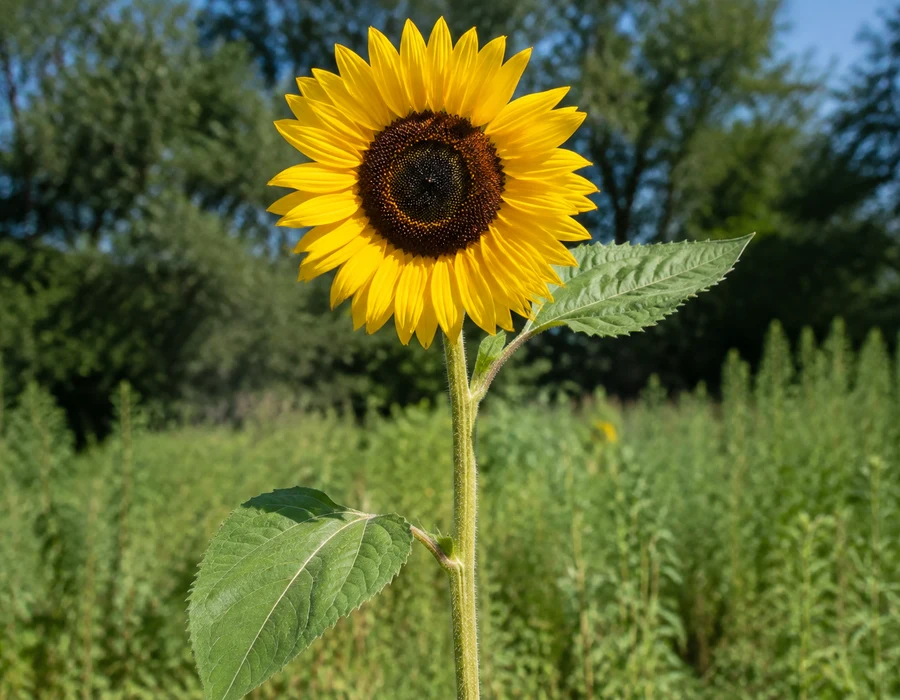
Common sunflower, Helianthus annuus
Visible distinction: A large terminal composite head with a dark disc, broad roughly hairy leaves, and an upright leafy annual habit.
Guide: Sunflower identification covers common sunflower, Helianthus annuus.
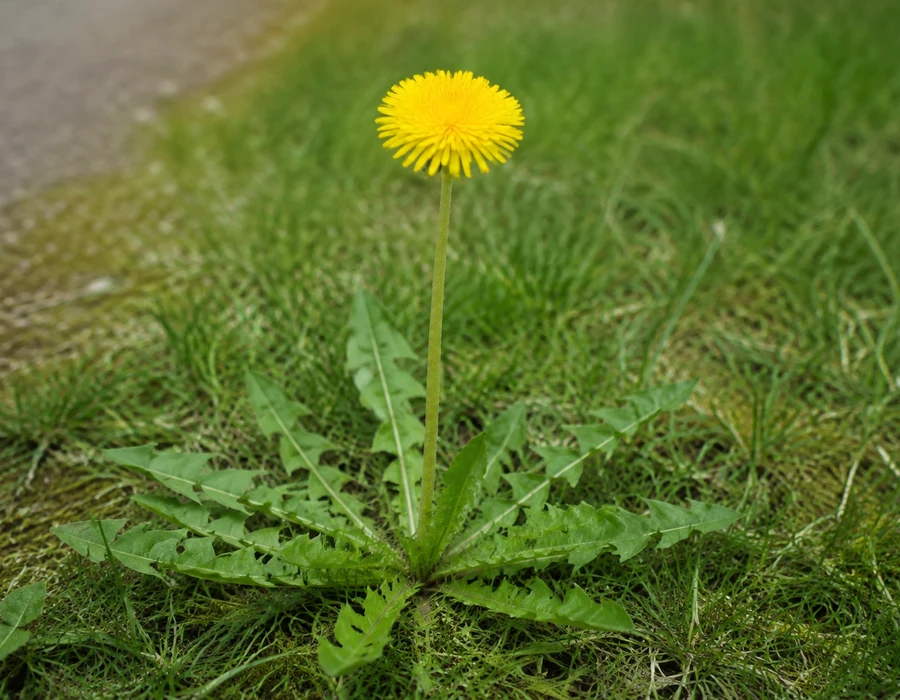
Common dandelion group, Taraxacum section Taraxacum
Visible distinction: A bright yellow composite head rises on a hollow, leafless scape from a deeply toothed basal rosette. A white parachute head follows maturity.
Guide: Dandelion identification explains why the photo usually supports a group result rather than one global microspecies.
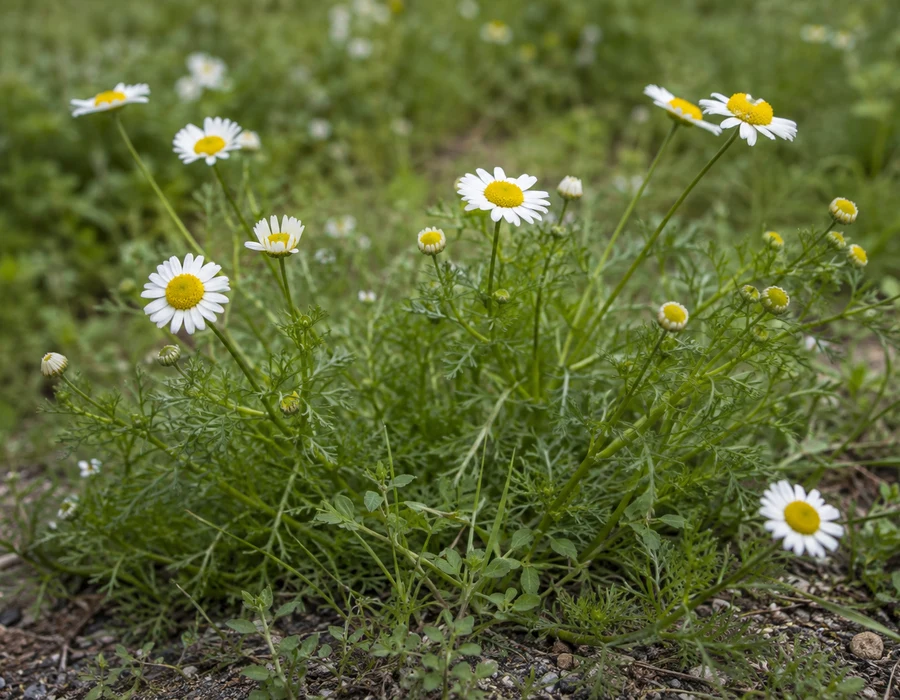
Roman chamomile, Chamaemelum nobile
Visible distinction: The centre is yellow, but the head has white rays. Finely divided foliage and a low, mat-forming habit matter more than the yellow centre.
Guide: Chamomile identification keeps Roman chamomile separate from German chamomile and from yellow flowers with no rays.
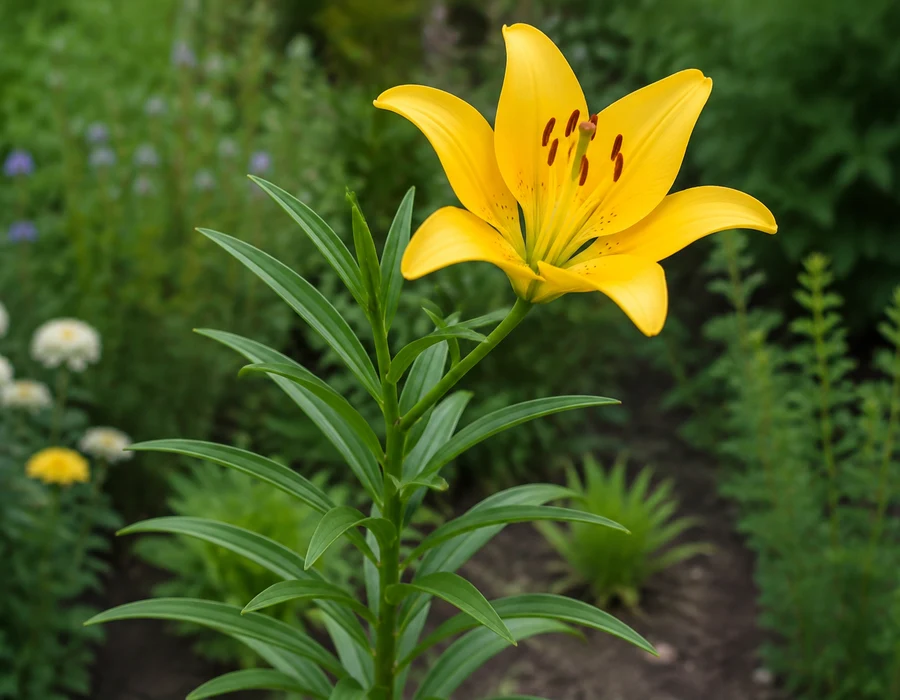
True lily, Lilium species
Visible distinction: A yellow lily has six tepals and prominent stamens on an upright leafy stem. The flower may face upward, outward, or downward by species.
Guide: True lily identification separates *Lilium* from peace lily, calla lily, and daylily common-name traps.
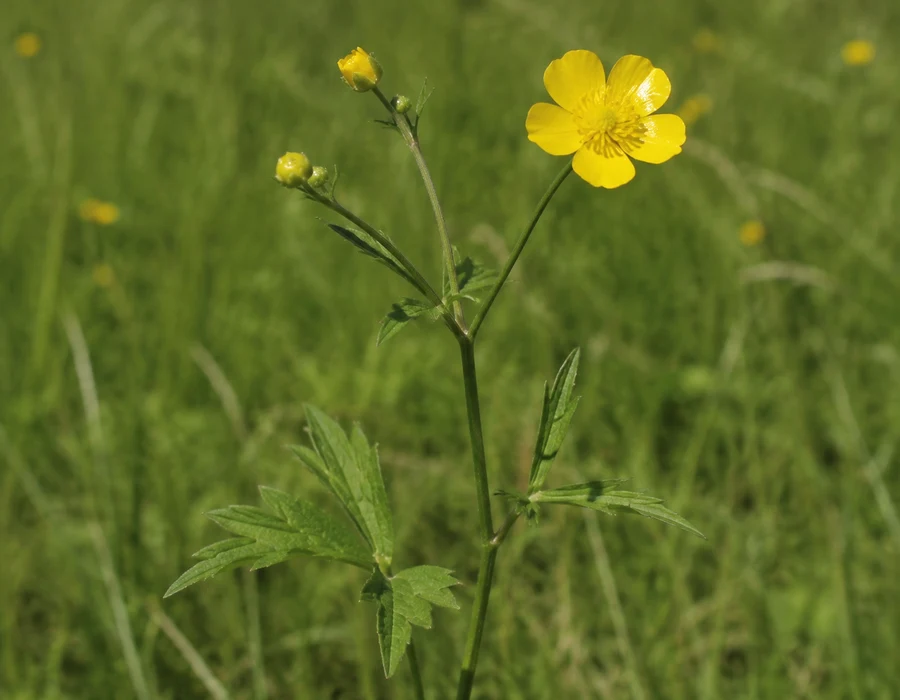
Meadow buttercup, Ranunculus acris
Visible distinction: Open glossy yellow, bowl-shaped flowers sit in a branched display above palmately divided leaves.
Guide: The RHS meadow buttercup profile describes the plant's flowers, leaves, and growth habit.
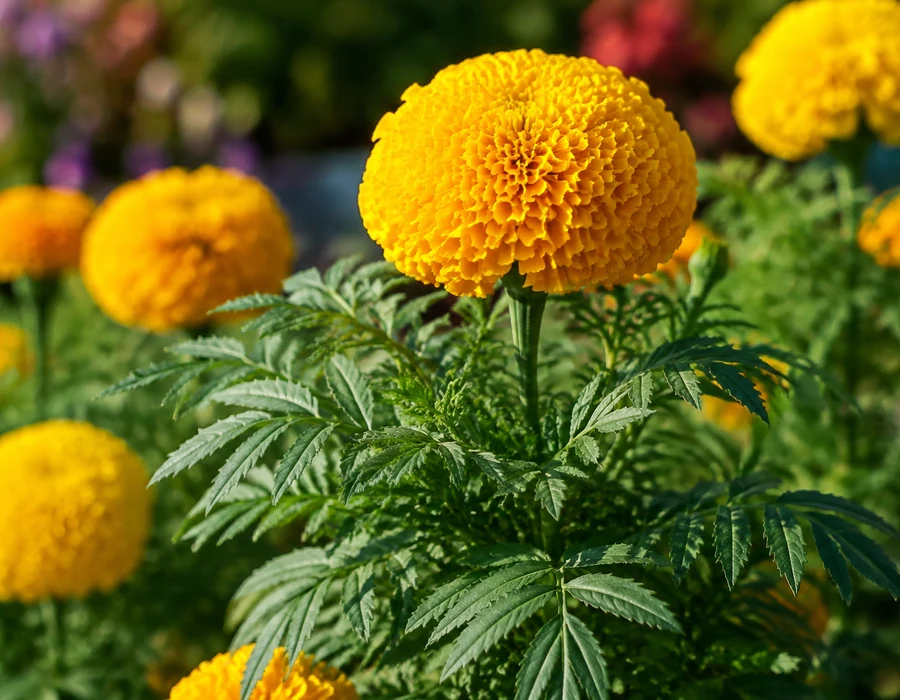
African marigold, Tagetes erecta
Visible distinction: Dense double yellow flowerheads can hide the centre. Pinnate leaves and an upright annual habit remain visible below the head.
Guide: The RHS African marigold profile describes the double flower head and divided leaves.
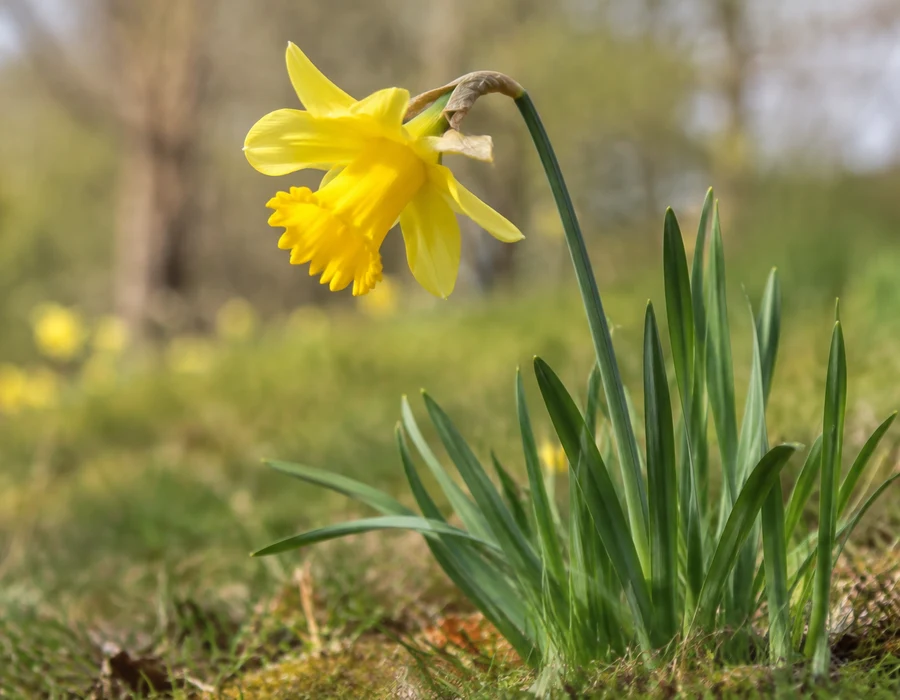
Wild daffodil, Narcissus pseudonarcissus
Visible distinction: Six perianth segments surround a cup or trumpet-shaped corona on a leafless stem, with straplike blue-green leaves at the base.
Guide: RHS species profile shows why corona shape is more useful than yellow color.
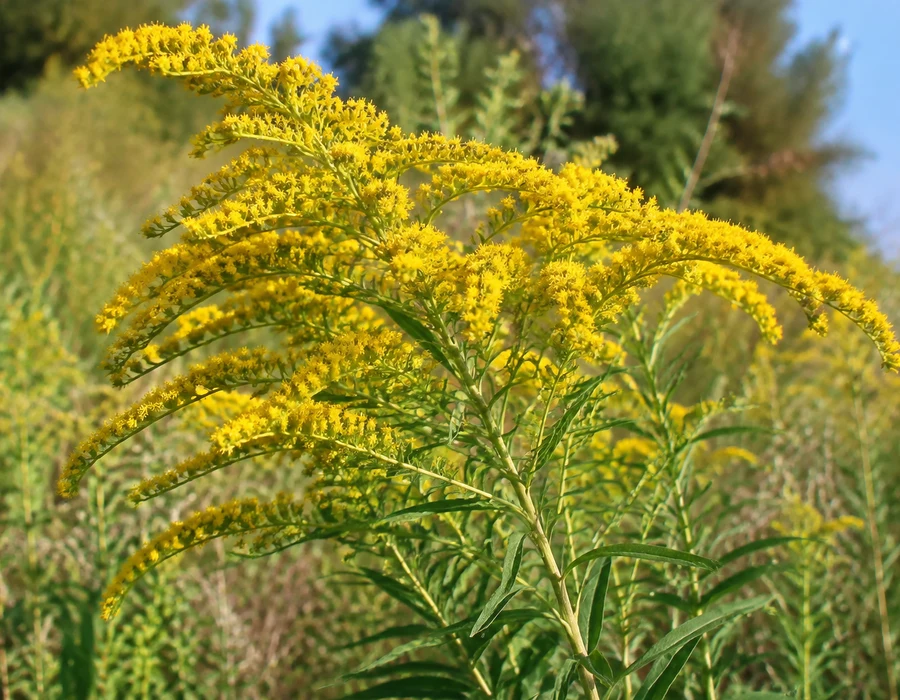
Canadian goldenrod, Solidago canadensis
Visible distinction: Many tiny yellow heads form a broadly conical spray on upright downy stems with narrow toothed leaves.
Guide: The RHS Canadian goldenrod profile describes its branched sprays and narrow leaves.
How Can You Narrow a Yellow Flower Beyond Colour?
Start with the flower display, then inspect the centre, side profile, leaf attachment, and whole-plant habit. A single yellow bloom with a visible corona is a different evidence pattern from a composite head made of many florets. A rounded, dark centre suggests one guide, while a flat spray or conical panicle suggests another.
Use these observations in order:
- Form: Is it one flower, a composite head, a trumpet, or a cluster of many small flowers?
- Centre: Can you see a disc, stamens, a corona, a tubular centre, or no centre because the head is double?
- Side view: Is the flower flat, bowl-shaped, trumpet-shaped, or attached as one of many heads on a branch?
- Leaves: Are they broad and rough, deeply toothed in a basal rosette, finely divided, straplike, or narrow and pinnate?
- Habit and scale: Does the plant form a clump, a tall annual, a bulb-grown tuft, or a branched perennial? Add a hand, ruler, pot, or nearby object for scale.
The bloom anatomy guide helps label ray florets, disc florets, tepals, stamens, corona, and inflorescence without treating a term as an identity. Season and location can rank the cards only after the visible structure is recorded. Do not call a yellow plant a weed, native plant, or safe edible species from color alone.
Use the First Separator for Each Yellow Candidate
Start with the feature in the second column, not with the shade of yellow. That single structural check is designed to divide one plausible card from the others quickly. The third column names the part most worth photographing when the first check leaves more than one candidate.
| Candidate | First separator | Detail that confirms or rules it out |
|---|---|---|
| Common sunflower, Helianthus annuus | One large terminal composite head with a dark disc | Broad leaves along an upright annual stem. Lower and upper leaf position can differ, so show more than one leaf. |
| Common dandelion group, Taraxacum section Taraxacum | One yellow composite head on a hollow, leafless scape | A deeply toothed basal rosette and, at a later stage, a round white parachute seed head. Branching or leafy flowering stems need a different comparison. |
| Roman chamomile, Chamaemelum nobile | White rays surrounding a yellow disc on a low plant | Finely divided foliage and a mat-forming habit. A yellow centre alone is not the same evidence as an all-yellow head. |
| True lily, Lilium species | Six petal-like tepals with prominent stamens | Leaves placed along an upright stem. A spathe, central spadix, or strap-leaf fan points away from true Lilium. |
| Meadow buttercup, Ranunculus acris | Open, glossy, bowl-shaped yellow flowers in a branched display | Palmately divided foliage and the way the flowers sit separately on branching stems. |
| African marigold, Tagetes erecta | A dense, often double flowerhead that can hide its centre | Pinnate leaves below an upright annual display. Compare the whole head before mistaking it for a single, many-petalled flower. |
| Wild daffodil, Narcissus pseudonarcissus | A central cup or trumpet-shaped corona within six surrounding segments | Straplike basal leaves and a leafless flowering stem. The corona is the key structure, not the yellow shade. |
| Canadian goldenrod, Solidago canadensis | Many small yellow composite heads held in a broad spray | Narrow toothed leaves and the branching architecture of the plume. One enlarged head should not be mistaken for a sunflower-scale bloom. |
This is a comparison table, not a botanical key. A cultivar, a partially open flower, a damaged leaf, or an unfamiliar regional species can break a simple pattern. If the first separator conflicts with the plant in front of you, keep the observation and move to a broader guide instead of adjusting the plant to fit a card.
Which Yellow Blooms Are Easy to Confuse?
The most common published-page confusion set is a large sunflower-like head, a small yellow dandelion head, and a yellow-centred daisy flower. They share a yellow visual cue but differ in head scale, ray pattern, and plant architecture.
| Question | Common sunflower | Common dandelion group | Roman chamomile |
|---|---|---|---|
| What is the display? | One large composite head, usually terminal | One small composite head on a leafless scape | Small composite heads with white rays and a yellow disc |
| Where are the leaves? | Along an upright stem | In a deeply toothed basal rosette | Finely divided leaves across a low mat |
| What is the strongest separator? | Head scale plus broad rough leaves | Hollow scape plus rosette and later parachute head | Feathery foliage and white rays |
| Best guide | Sunflower page | Dandelion page | Chamomile page |
This table does not provide a general safety answer for every plant called a daisy or sunflower. If the image shows six tepals, a trumpet-shaped corona, or a branched plume, use the matching card rather than forcing it into the daisy, dandelion, or sunflower comparison.
When Does a Yellow Bloom Need a Photo or a More Specific Context?
A yellow bloom needs another photo when the frame shows only a color patch, hides the centre, removes the leaves, or offers no scale. It also needs context when the plant is a cultivated double form, a cut flower, or a regional wildflower whose season differs from the card.
Request a front and side bloom view, one complete leaf with its attachment, the stem or plant base, and a whole-plant frame. Add the region, month, growing setting, and a scale reference. Use the flower-features finder when no photo exists, wildflower identification when the plant is growing in a field or verge, or the Flower Identifier when a photo is available. The page does not advise removal, tasting, or handling of an unknown yellow plant.
Why Do Yellow Bloom Colours Vary?
Yellow is not a fixed paint swatch. Light direction, camera white balance, flower age, weather, and cultivar breeding can shift a bloom from lemon to gold, cream, orange-yellow, or brownish yellow. A mature composite head may darken in the centre, while a fading petal can lose saturation. Soil or nutrient conditions may affect a plant's general appearance, but they do not turn color into a species key.
Use colour to choose a starting group, then compare the flower form, centre, leaves, side profile, and whole plant. A daffodil's corona, a sunflower's central disc, a dandelion's hollow stalk, and a goldenrod's branched spray are more useful than the exact shade of yellow. The flower bloom calendar can add seasonal context after the scientific name and location are known.